

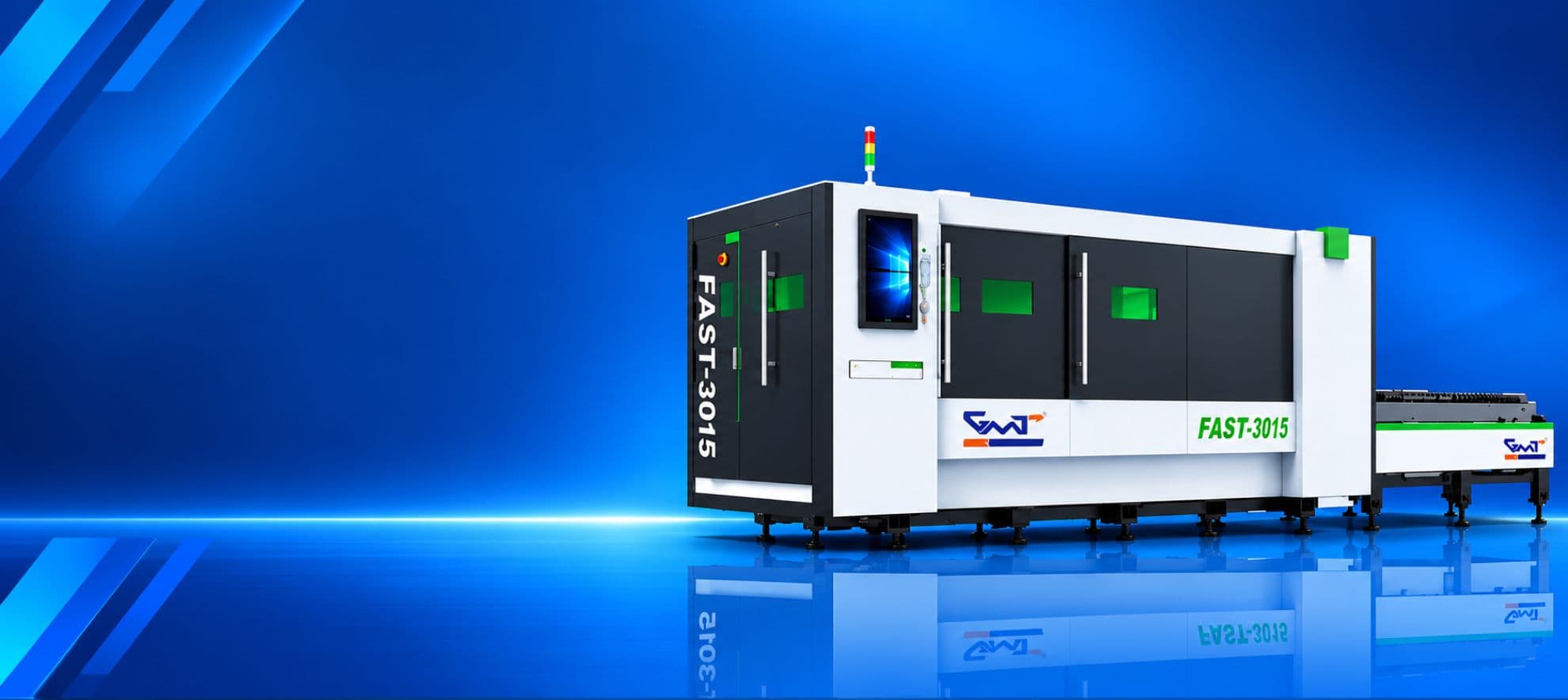
A fiber laser cutting machine will be part of your production for years, so the right choice starts with your own needs, not a specification sheet. The best fit depends on what you cut, how much you produce, how your jobs may change, and how far your production is likely to grow over time. This guide shows how to choose a fiber laser cutting machine by working through materials, power, sheet size, production volume, running costs and support. Doing this will help you shortlist machines with confidence and have a more productive conversation with any supplier. Clear requirements reduce mistakes.
1. Material Types and Thickness
Start with the materials you cut today and the ones you expect to cut in the future, such as mild steel, stainless steel, aluminium, brass. Every metal behaves differently under a fiber laser, so review each one separately. Reflective metals need particular attention to the laser source and machine protection features, so ask the supplier to confirm the machine is suitable for them. Thickness is equally important. List the thicknesses you cut most often, along with the thickest material you realistically expect to process. Cut quality and edge finish depend on the combination of material, thickness and assist gas, such as oxygen or nitrogen, so these details should be defined early.
Share this information with your supplier, along with the part types you produce. It gives them a reliable basis for recommending a suitable configuration, and it helps ensure the machine you choose matches your actual production needs.
2. Choosing the Right Laser Power
Fiber laser power is often treated as the headline specification, but more is not automatically better. Higher power generally allows thicker material to be processed, while lower-power machines can be a sensible fit for thinner sheet work. Results depend on material, assist gas, optics and machine design, so rely on supplier-confirmed data, not brochures.
Also consider production volume when evaluating available power options. High-volume production may require a different configuration from varied job-shop work. Size power for typical jobs, not exceptions.
Balance current production needs with anticipated demand. Buying far beyond your needs can mean paying for capability you rarely use, while buying too little can limit the jobs you can accept. Request cutting parameters or sample parts from your own materials.
An industrial laser cutting machine’s suitability depends on matching the right power level to your production needs, materials and volume.
3. Sheet Size and Cutting Bed Dimensions
The cutting bed determines the largest sheet you can load, so choose dimensions according to the sheet formats you buy and your component sizes. The machine’s cutting area must accommodate your sheets and cutting layout. Selected bed sizes include 3015, 4015, 4020, 6015, 6020, 8015, 8025 and large-format 13030.
(3015 = 3000 × 1500 mm; 13030 = 13000 × 3000 mm)

Consider loading and unloading, floor space, handling equipment, power supply and foundation requirements, and whether your layout allows safe access. A suitable working area reduces repositioning, and nesting reduces wastage.
If you work with oversized parts or unusual formats, raise this early, as it can affect the configuration. Consider future formats and working area dimensions before finalising selection.
4. Production Volume and Future Requirements
How much you produce influences the machine and level of automation you need. A job shop with varied, small-batch orders has different needs from a business running repeat production. Evaluate your daily workload, production schedules and the time available to complete customer orders and confirm the machine can meet delivery commitments.
Machine utilisation matters. Frequent job changes, setups and material-handling delays can reduce cutting time, so reviewing your workflow can show whether automation would help.
Plan ahead. If you expect your product range or material mix to change, discuss it early with your supplier.
5. Choosing the Right Cutting Gas
The assist gas you choose can affect edge quality and running costs, so understand the options before comparing machines.
- Oxygen: Commonly used for carbon-steel cutting, particularly thicker sections.
- Nitrogen: Often preferred when clean, oxide-free edges are required.
- Compressed air: Can offer an economical alternative for suitable materials and applications, depending on quality requirements.
Gas choice depends on your material, thickness and required finish. Check how your gas will be delivered, stored and handled safely, and what supply arrangements your machine and site will need.
Ask the supplier which gas suits each job, and include gas use when calculating your running costs. Request estimated gas consumption for your typical jobs and materials. Confirm required gas purity and pressure before machine installation.
6. Running Costs and Maintenance
The quoted price is not the full cost of owning a fiber laser cutting machine. Running costs include electricity, assist gases, cooling, fume extraction, and routine maintenance. These vary with your materials, thicknesses and working hours, so review them against your own production.
Ask what regular servicing involves, which parts wear over time, and how often they should be checked or replaced. Find out whether spare parts are readily available and which maintenance tasks your own team can handle in-house.
Consistent maintenance supports stable cut quality and helps reduce unplanned downtime. Keeping the machine clean, checking optics and nozzles regularly, and following the manufacturer’s recommended schedule are practical habits worth building.
Request a clear picture of ongoing requirements rather than judging on price alone. This shows what each option involves over its working life, not only on the day of purchase.
7. After-Sales Service and Operator Training
A laser cutting machine is only as dependable as the support behind it, so look closely at what the supplier offers after the sale. Ask how installation and commissioning are handled, how service requests are answered and how spare parts are supplied.
Operator training is also important. A well-trained team can use the machine more safely and effectively and spot small issues before they become larger ones. Before investing in a fiber laser cutting machine, ensure that the supplier provides comprehensive training covering machine operation and basic maintenance. Check whether additional training support is available for newly appointed operators.
It is equally important to understand the warranty terms, identify the dedicated technical support contact, and confirm the availability of after-sales service in your region. Reliable technical assistance and well-defined service support help minimise downtime and ensure smooth, uninterrupted production.
8. Buyer’s Checklist
A checklist is useful for first-time machinery buyers. Your answers shape every decision, so record them carefully before contacting suppliers. Before purchasing a fiber laser cutting machine for sheet metal, ask yourself:
- What materials will I cut?
- What is my maximum and most common material thickness?
- What sheet size do I require?
- How many hours will the machine operate daily?
- What are my cutting accuracy and edge-finish requirements?
- What are my expected operating costs?
- Is local service and spare-parts support available?
If you are unsure about any answer, revisit the earlier sections of this guide or discuss it with the supplier’s technical team.
Why Choose GMT Engineers for Your Fiber Laser Cutting Requirements?
GMT Engineers brings industry experience since 1988, with an experienced team of personnel who have served us over many years. Ready-stock machines are available, subject to current inventory, and machine demonstrations are held at our Red Hills, Chennai warehouse. Our involvement continues after the sale, with installation, commissioning, operator training and after-sales support. For manufacturers weighing a purchase, this support runs from selection through installation and into production use. Our team can help you review these points against your own production needs, materials and growth plans. We are glad to discuss your requirements.

At GMT, we will discuss your materials, thicknesses and production plans, and help you identify a suitable fiber laser cutting machine. Send us an enquiry.
Contact No: +91-9444678000
Email ID: webenq@gmtengineers.com
Bring your drawings to our Red Hills, Chennai warehouse. Our team will help you assess the right machine for your production requirements.